
We’ve been looking forward to March for months. We kept getting seed catalogs in the mail and dreaming about actually being able to plant something. Hooray for March, you can start planting now! Several seeds will need to be started indoors and a few can be planted straight in the garden or a cold frame. We aren’t planting everything from the March section of Crockett’s Victory Garden this year (we are beginners, after all), but we planted several staples. Didn’t get started by March? All of this can be done in April too.
 For all of our seed starting indoors we have a little growing station set up on a table in the basement next to the window. Our setup includes a heating pad and grow light to give the seeds the extra heat and light they need to grow quickly. We plugged the pad and light into a timer that turns them on for eight hours every night to make sure the seeds stay warm and think days are much longer than they really are.
Seeds to start indoors:
Broccoli, Cabbage and Cauliflower
 I was surprised to realize that cabbage and broccoli were so closely related. We started broccoli seeds in a little pot. Crockett says if you want 12 plants you should plant 18 seeds to account for loss. We used some basic potting soil with added nutrients and moisturizer. When the plants are 1 inch tall we’ll transfer them to individual spots in a six pack and and in a couple weeks we’ll move them into our cold frame to harden off before going in the garden.
Cabbage and Cauliflower require the same treatment.
Leeks
We fell in love with leeks after making leek rings one day instead of onion rings. Seeing Crockett hold a leek the size of his arm is pretty inspiring, so we thought we’d try growing them ourselves.
Leek seeds are really good at sprouting, so try to spread them out as you plant them in a container so they are easier to transplant later. In a couple weeks we will move them into a six pack or hotbed spaced 1 inch apart.
Lettuce
 Lettuce loves cool weather, so March is perfect for starting. We will also keep planting it later in the season so we have lettuce throughout the summer. We planted several varieties, including butter crunch, butter head, and red sails. Crockett says to put the lettuce in a pot and then later transfer it to six packs, but to keep the varieties separate we started by putting several seeds of the same kind in each section of a six pack. We’ll thin them when they come up.
We planted the seeds in potting soil and then put a layer of peat moss over the top (If you’ve read Crockett’s Victory Garden you know he swears by peat (or sphagnum) moss. They need to be bottom watered and well-drained, so we put the six pack in a plastic lid and filled the lid with water.
Once the seeds come up we’ll thin them to an inch apart and leave them for transplanting in April.
Seeds to Sow Directly in the Garden:
Onions
To be fair, you aren’t really planting onion seeds directly in your garden in March. If you are starting from seeds you’ll need a couple months to get them ready for the garden, so plan accordingly. This year, we bought onion sets to plant instead. Crockett says seeds are much cheaper and easy if you start them in time, so we’ll probably do that next year.
To plant your sets, make two rows a couple inches apart and push the sets down so the tips are just barely covered by dirt. In a few months we’ll pull some out as green onions so the rest have room to fully mature.
Peas
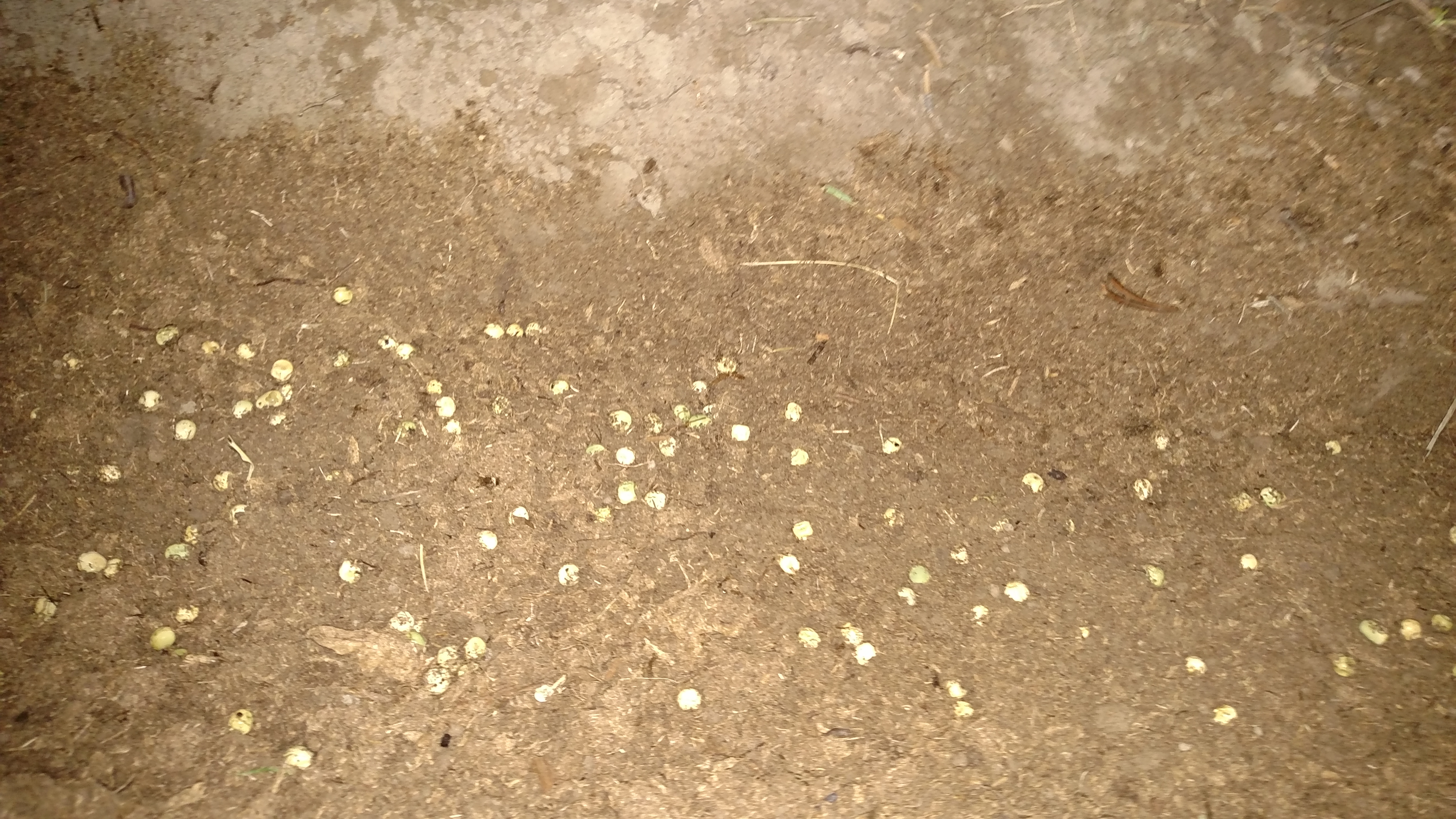
Gordon loves peas, so we were probably most excited about these. He’s been drawing plans for pea trellises on random scraps of paper for weeks.
Contrary to other theories on peas, Crockett says he likes to plant them thick so they help hold each other up. Dig a trench about six inches wide and four inches deep and scatter seeds across the bottom (it’s ok if some are touching; make sure none of them are more than 1 inch away from another seed). Put about an inch of soil on top and press it down. Once they start growing we’ll worry about giving them a support system.
Spinach
Spinach is the ultimate cold weather crop. Not only does it love cold weather, it actually can’t survive in the heat so now is the perfect time to plant. Make a furrow about a half inch deep and sow the seeds an inch apart. Close the furrow, water the seeds, and wait for the spinach magic.
Happy planting!
 Gordon's Victory Garden